
Nordic Calm and Clarity in Uncertain Times
Nordic Calm and Clarity in Uncertain Times
January 2026

The NEF Newsletter: Connecting New England, Finland, and Scandinavia through trade, education, and culture. Born from the enthusiasm of Finnish New Englanders, it charts our shared journey—past, present, and future. Join our growing community of 2,900+ subscribers and many more via email and blog. Share with anyone eager to build Nordic-New England bridges.
Editor-in-Chief: Dr. Henrik Totterman, Finnish Honorary Consul for Boston and New England. A professor, entrepreneur, and connector dedicated to fostering Finnish-American collaboration and advancing sustainable solutions.
Contents — January 2026
Upcoming Events
Business & Trade Connections
Innovation, Education & Research
Culture, Heritage & Sport
Diplomacy & Public Affairs

On Autonomy, Sovereignty, and Alliance
In recent days, Greenland has again appeared in headlines and conversations here in New England and across the world. Sometimes its described as a country, sometimes as a strategic asset, and sometimes as something in between. As is often the case in Nordic governance, the reality is more layered.
Greenland is not an independent country, but it is also far more than a region or province. It is a self-governing territory within the Kingdom of Denmark, with its own parliament and government and authority over most domestic matters, including education, healthcare, fisheries, and natural resources. Denmark, in turn, retains responsibility for foreign affairs, defense, and monetary policy. This division of roles reflects a Nordic approach that values autonomy, democratic legitimacy, and institutional continuity.
Recently, Finnish President Alexander Stubb summarized this principle clearly:
“No one decides for Greenland and Denmark but Greenland and Denmark themselves.”
It is a simple statement, but an important one. In the Nordic context, questions of sovereignty are not resolved through pressure or transaction, but through consent, law, and time. The statement captures a core Nordic principle: questions of sovereignty and future status are not imposed from the outside, but resolved by the people and institutions closest to them.
Importantly, Greenlanders have a recognized legal right to independence through a democratic referendum should they choose that path in the future. Culturally and politically, Greenland is often spoken of as a nation. Legally, however, it remains part of the Danish realm—by choice, and within a framework that allows that choice to evolve over time.
What this illustrates is not a contradiction, but a feature of Nordic governance. Autonomy and sovereignty are not treated as rigid, binary concepts. Instead, they are understood as evolving arrangements, shaped by democratic consent, institutional capacity, and long-term legitimacy.
For Nordic societies, this institution-first approach reflects a broader habit of mind: prioritizing trust, continuity, and cooperation over short-term advantage. That perspective may feel understated, but it has served the Nordic countries—and their partners—remarkably well.
For more than 80 years, the Nordic countries and the United States have been close allies, bound not only by shared security interests but also by a common belief that stability is built through institutions, alliances, and mutual respect. From a Nordic vantage point, the risk today is not disagreement among friends, but the quiet erosion of trust—especially when long-standing relationships are weighed against short-term gains or narrowly defined interests.
Security in the North Atlantic and Arctic has never been a zero-sum question. It has been managed best when approached collectively, patiently, and with an understanding that enduring partnerships often matter more than immediate windfalls. For small nations in particular, history offers a clear lesson: prosperity and security are most durable when they are shared.
As Nordic communities abroad—including here in New England—we are often translating these perspectives into a culture more accustomed to sharper lines and faster turns. Greenland is a reminder that autonomy, sovereignty, and alliance are not competing ideas. When handled with care, they reinforce one another—and they do so most effectively when long-term relationships are treated as strategic assets, not obstacles.
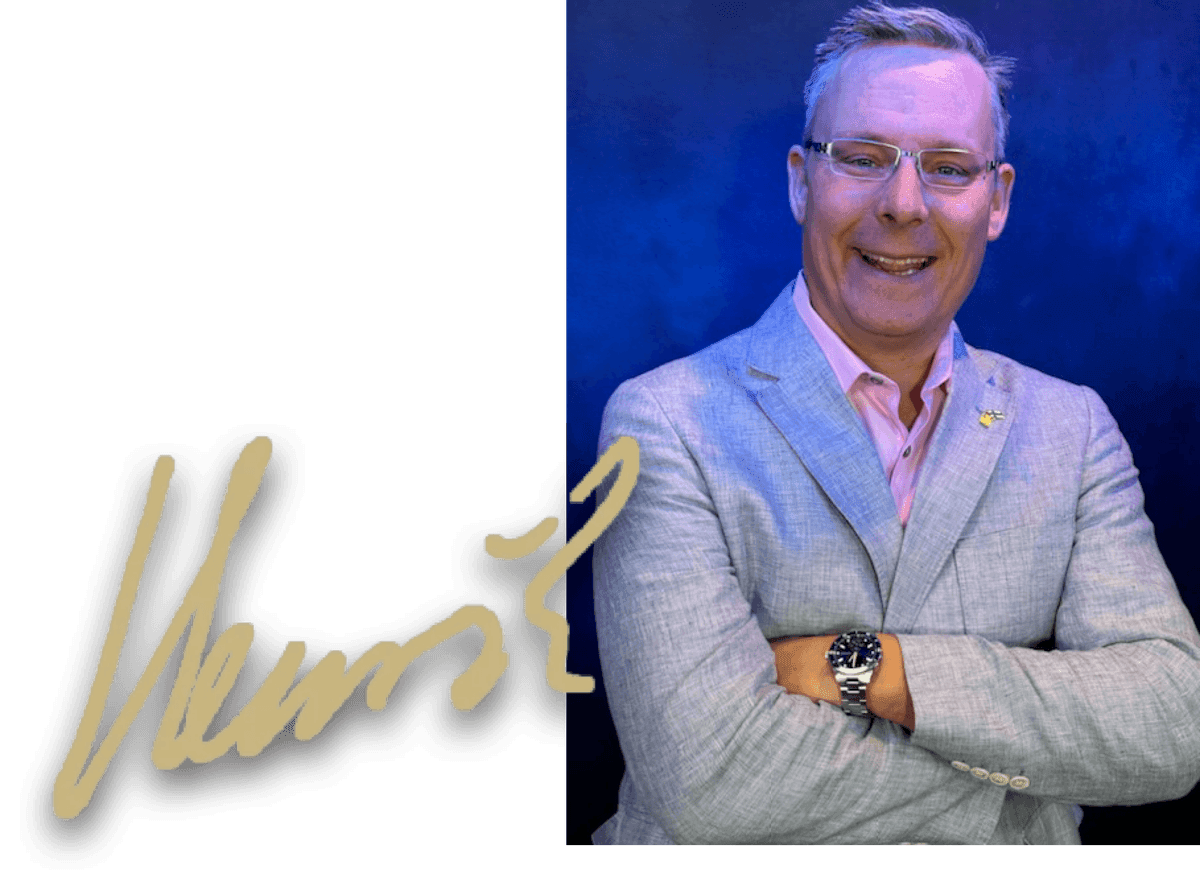
Dr. Henrik Totterman
Honorary Consul of Finland to the City of Boston and New England.
Business & Trade Connections
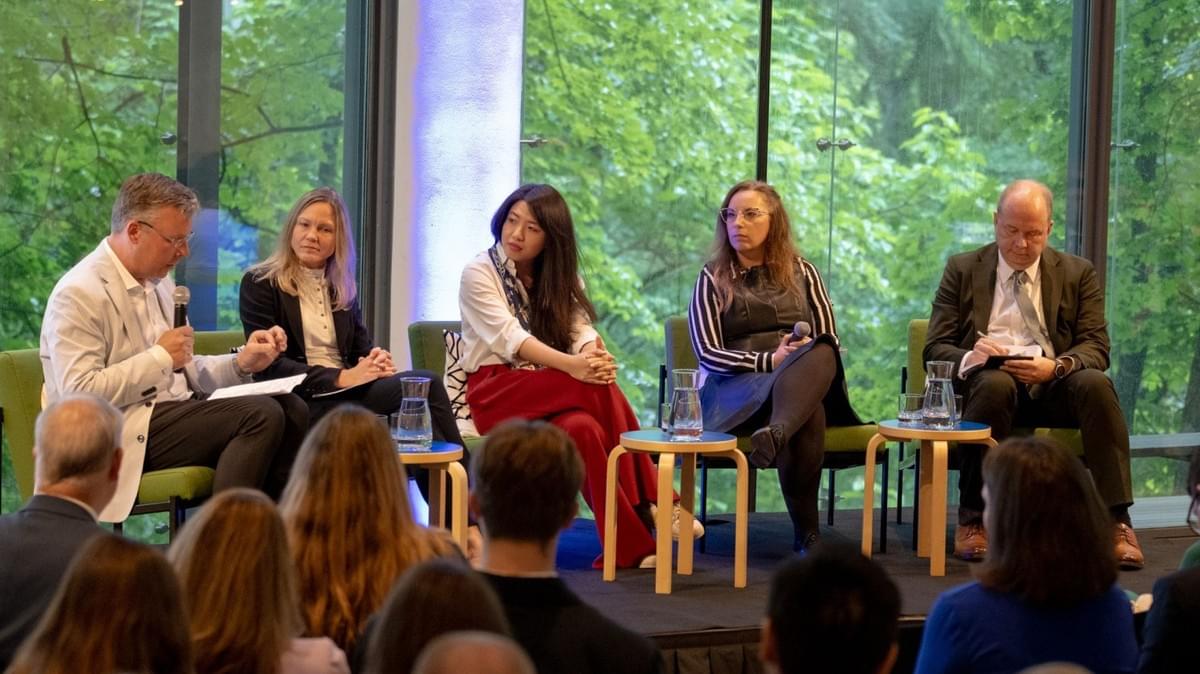
Why FACC-NY Matters for Finnish, Nordic, and U.S. Companies
From my perspective, the Finnish-American Chamber of Commerce (FACC) stationed in New York plays an increasingly important role for Finnish, Nordic, and U.S. companies operating across the Atlantic and up the Northeastern corridor from NYC to Boston and beyond. At its best, a chamber is not a branding exercise—it is an operating platform for relationships, learning, and long-term presence being relevant for companies and business professionals. That is where FACC’s value lies.
FACC brings together individuals, startups, growth companies, and established organizations that share an interest in the Finland–Nordic-U.S. business. Through events, briefings, and informal exchanges, it creates opportunities to understand the market, meet peers, and build trust over time. It also facilitates highly tailored service offerings for specific company and executive needs. What matters most is consistency: seeing the same people, having repeat conversations, and turning familiarity into collaboration.
Engagement does not require a large commitment upfront. FACC’s tiered membership structure allows companies and individuals to participate at different levels—whether that means attending selected events to learn and connect, or taking a more active role in shaping discussions and visibility within the community. Smaller companies benefit from access and context; larger organizations benefit from perspective, talent, and a pulse on emerging activity.
For Finnish and Nordic companies, FACC offers a familiar environment—professional, pragmatic, and relationship-driven. For U.S. companies, it provides a gateway to Finnish and Nordic partners known for reliability, technical depth, and long-term thinking. The more members participate, the stronger and more useful the network becomes for everyone.
Growing this community is not about selling membership. It is about participation: showing up, contributing, and staying engaged. That is how chambers work when they work well.
Check out FACC-NY by clicking here.
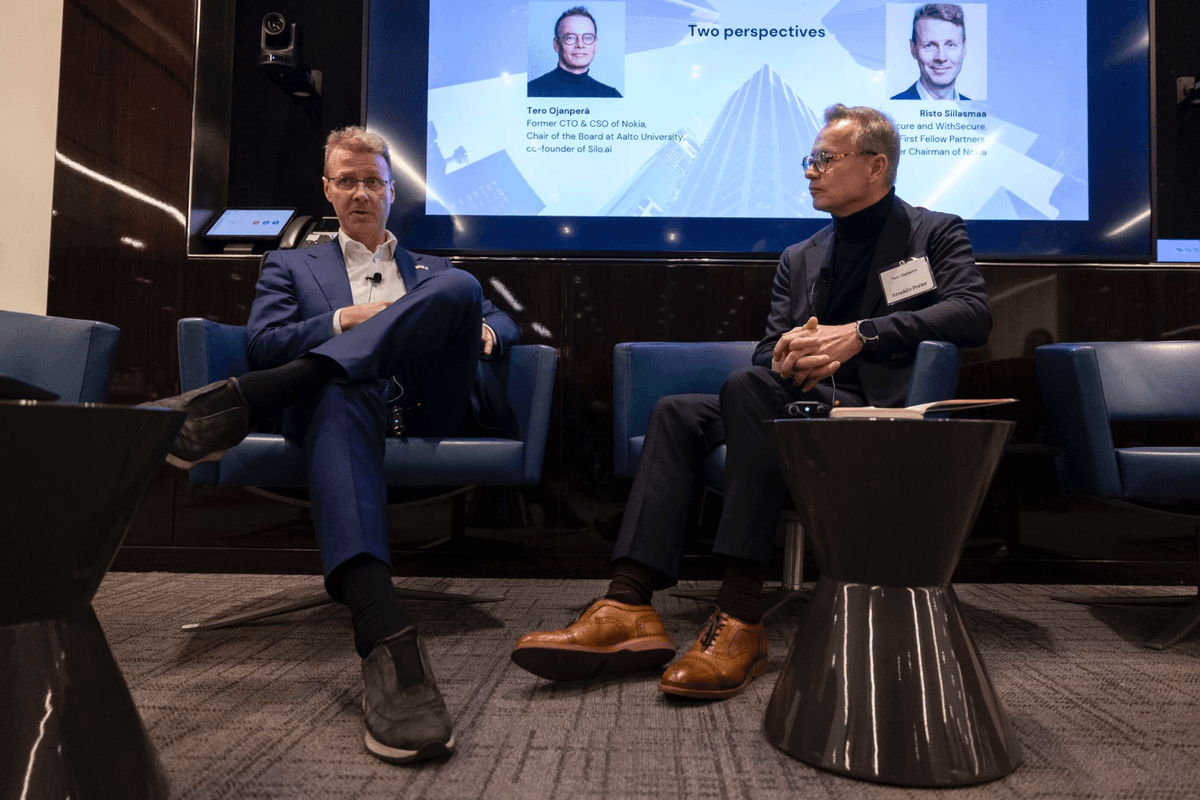
Picture courtesy of FACC-NY
Reflections from a Recent Market Outlook 2026 Briefing
I recently attended a market outlook briefing built around Wilmington Trust’s 2026 Capital Markets Forecast. The central message was clear: we are entering a period of economic experimentation—with slower expected growth, shifting trade policies, rising public debt, and structural changes in labor markets driven by demographics and technology.
Some interesting Key Numbers:
- U.S. economic growth forecast: below 1% in 2026 — significantly slower than typical trend growth, reflecting tariff drag, labor constraints, and fiscal pressures.
- Effective U.S. tariff rate: reached ~11% by late 2025, up from ~2.5% at the start of the year — one of the largest peacetime tariff hikes in U.S. history (though below the 30% initially proposed).
- Tariff revenue impact: roughly $275 billion per year — equivalent to about 0.9% of U.S. GDP.
- Tariff cost comparison: in stylized examples, a 100+% tariff would be required to make some U.S. manufacturing on par with lower-cost imports — illustrating how labor and cost structures dominate reshoring economics.
What stood out to me, from a Nordic perspective, was less the forecast itself than what it implies for policy stability and predictability. Much of the uncertainty ahead is not cyclical, but the result of deliberate choices around trade, tariffs, reshoring, and fiscal policy. For some, these may offer short-term advantages, but they also increase friction, cost, and unpredictability across global supply chains, which will affect companies in the US, Nordics, and other regions in often unpredictable ways. Foremost, at the end, the US consumer will be paying for the party.
For Nordic companies—many of them product-centric, export-driven, and deeply integrated into international markets—this environment reinforces the importance of long-term planning, diversification, and institutional trust. The Nordic approach has traditionally favored rules-based trade, steady stewardship, and cooperation over abrupt shifts. In a world experimenting with economic levers, those qualities become strategic assets rather than constraints.
My main takeaway from the capital markets forecast is cautiously optimistic, while recognizing that several question marks remain in the air as global markets adjust to slower growth and policy-driven uncertainty. Nordic players are well-positioned if they stay focused on affordable loss-driven growth, building strong partnerships, and agile, long-horizon value creation rather than the expectation of continued short-term windfalls.
Innovation, Education & Research
FINISA — Connecting Finnish and American Innovation Communities
I’m pleased to share a brief update on The Finnish American Society in Innovation, Science and Arts (FINISA).
FINISA was launched in 2025 as a collaborative initiative bringing together Finnish and American stakeholders across innovation, science, and the arts. From the outset, the aim has been simple and timely: to create an interdisciplinary network that helps connect researchers, innovators, administrators, entrepreneurs, and students working across the Finland–U.S. corridor.
Since its launch at the Embassy of Finland in Washington, D.C., FINISA has participated in a number of community-building efforts, including FinnFest USA and events hosted at the Embassy that bring together researchers and practitioners from both countries. As society continues to take shape, its LinkedIn group will serve as the primary communication channel—sharing relevant events, ideas, and opportunities and helping members connect locally and across borders.
Click here to join the FINISA Group on LinkedIn.
FINISA reflects something many of us recognize from experience: sustained collaboration between Finland and the United States works best when it is interdisciplinary, open, and community-driven. I look forward to seeing this network grow and contribute—quietly but meaningfully—to the Finnish-American innovation ecosystem.

Matti Goldberg at COP30: From Ambition to Implementation
End of 2025, the world’s governments, scientists, and institutions gathered in Belém, Brazil, for COP30—the annual United Nations climate conference where countries review progress and negotiate next steps under the global climate framework. Among the participating research organizations was the Woodwell Climate Research Center, a Massachusetts-headquartered institute known for translating climate science into policy-relevant insights.
Finnish-born Matti Goldberg joined the Woodwell Climate delegation, representing a new generation of climate scientists working at the intersection of research, policy, and implementation. His work reflects a growing emphasis on ensuring that climate science informs real-world decisions—particularly around resilience, risk, and adaptation.
At COP30, that shift was evident. Brazil used the conference to elevate forest protection and nature-based solutions, while negotiations also exposed persistent gaps in national climate commitments and unresolved questions around climate finance. Where progress was made, it came through practical steps—most notably agreement on new indicators to measure adaptation and resilience across sectors such as ecosystems, infrastructure, and public health.
For Nordic and transatlantic actors, COP30 reinforced a familiar lesson: credible climate action now depends less on declarations and more on science, financing, and measurable outcomes—and on moving toward net-positive approaches that make societies, companies, and economies more capable, resilient, and effective over time, even for those motivated primarily by performance rather than principle.
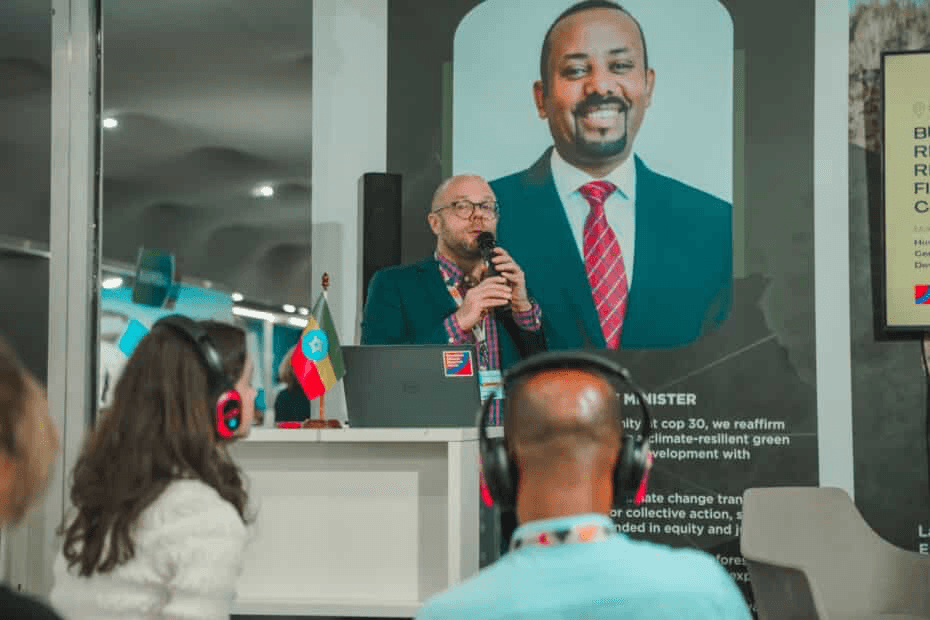
Picture courtesy of Woodwell Climate Research Center
Culture, Heritage & Sport
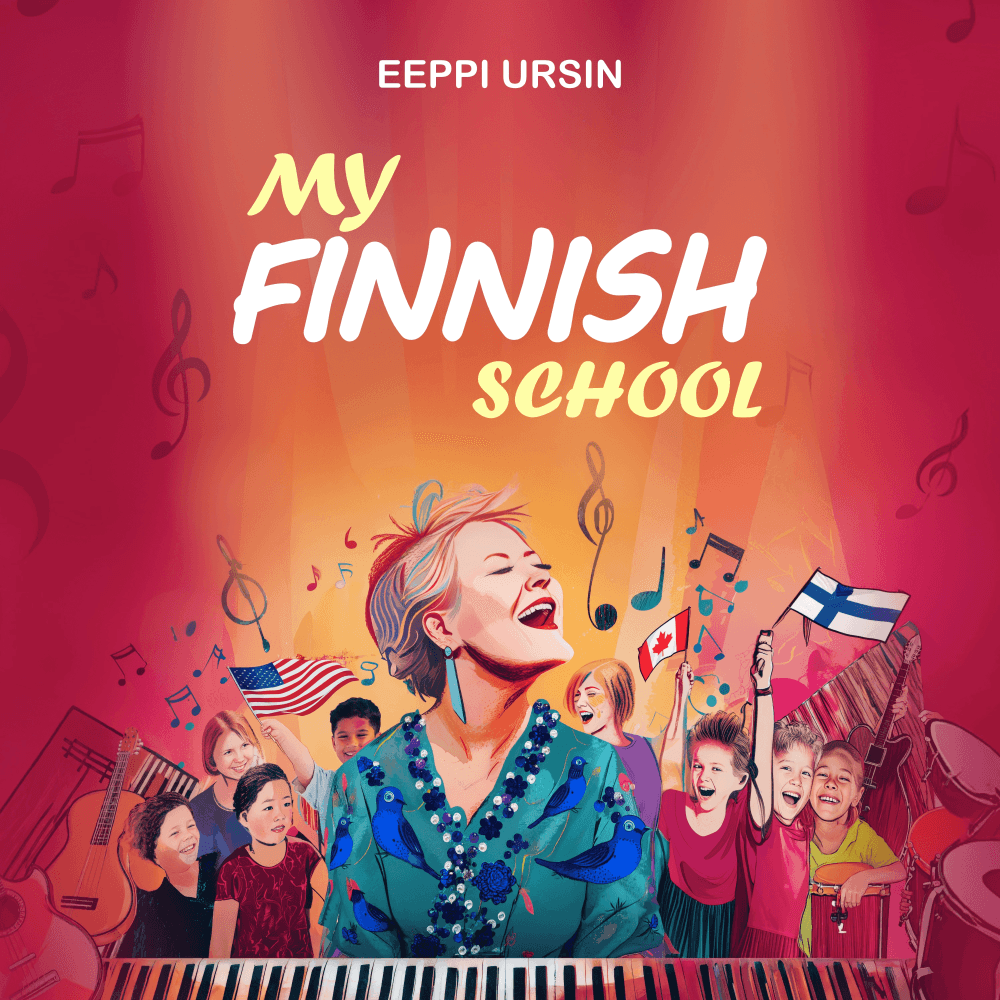
My Finnish School — A Community Music Project Across North America
As many of you know, I am a supporter of the Finnish School network, which is active across the United States and beyond. These schools play an important role in teaching the Finnish language and culture, and in keeping Finnish heritage alive among children growing up abroad, as well as among those curious to learn more about Finland.
Recently, Finnish vocalist, pianist, and composer Eeppi Ursin released My Finnish School, an album of nine children’s songs created in collaboration with students from Finnish Schools across the United States and Canada.
The songs grew out of workshops Eeppi conducted with Finnish School communities in New York, Toronto, Calgary, Vancouver, Seattle, Portland, Chicago, Florida, and here in New England. Each song reflects a specific place and community, capturing everyday language, imagination, and the lived experience of Finnish expatriate children. Central to the project was creating music with the children, making the creative process as meaningful as the finished album.
The album was made possible through the support of Finlandia Foundation National and Suomen Kulttuurirahasto (The Finnish Cultural Foundation), and was professionally coordinated by communications specialist Jenni-Helena Niemi.
My Finnish School is available on all major digital platforms under the title Eeppi Ursin – My Finnish School.
Songs by community:
- Juhlapäivänä (Seattle)
- Suomimaa (New York)
- Uuden Englannin konna (New England)
- Sama aurinko (Florida)
- Suomikoulusamba (Portland)
- Chicagon herkkusuu (Chicago)
- Matkalaulu (Vancouver)
- Toronto Together (Toronto)
- Kesästä talvehen (Calgary)
Projects like this quietly strengthen language, culture, and connection across the Finnish diaspora, and it is a pleasure to see so many communities reflected in one shared creative effort.
Diplomacy & Public Affairs
Swedish Delegation in Boston-Cambridge: Nordic Trust, Lived and Practiced
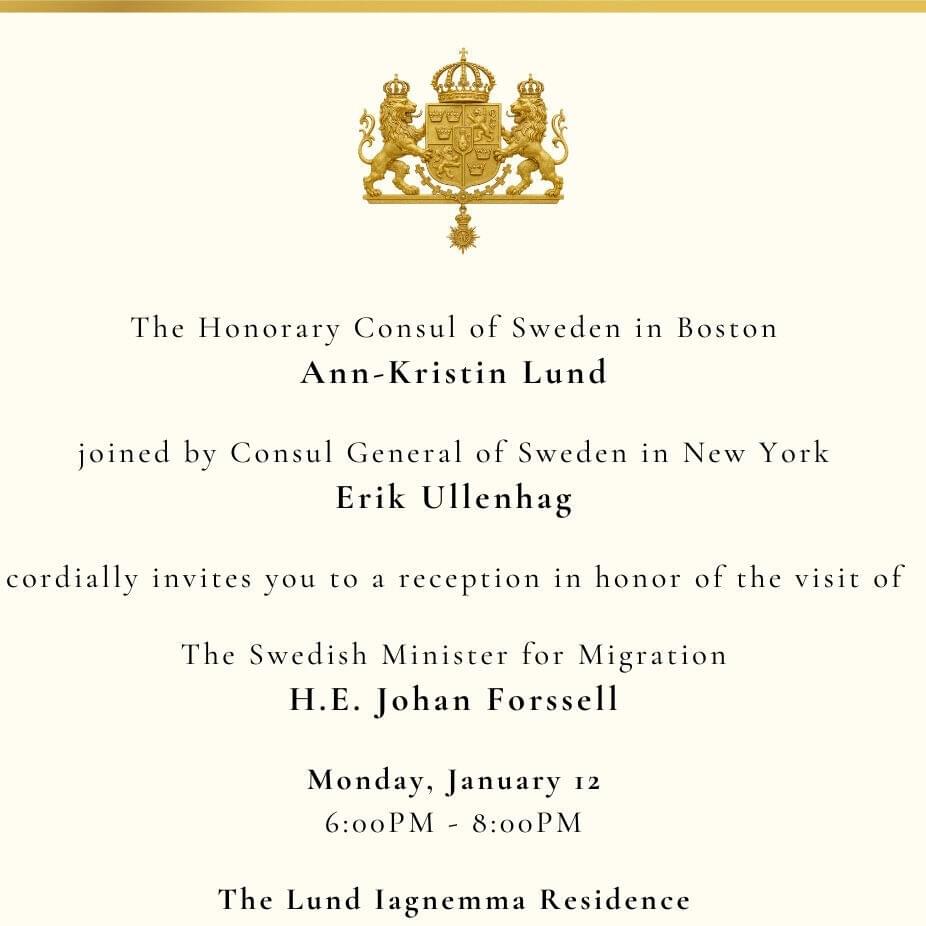
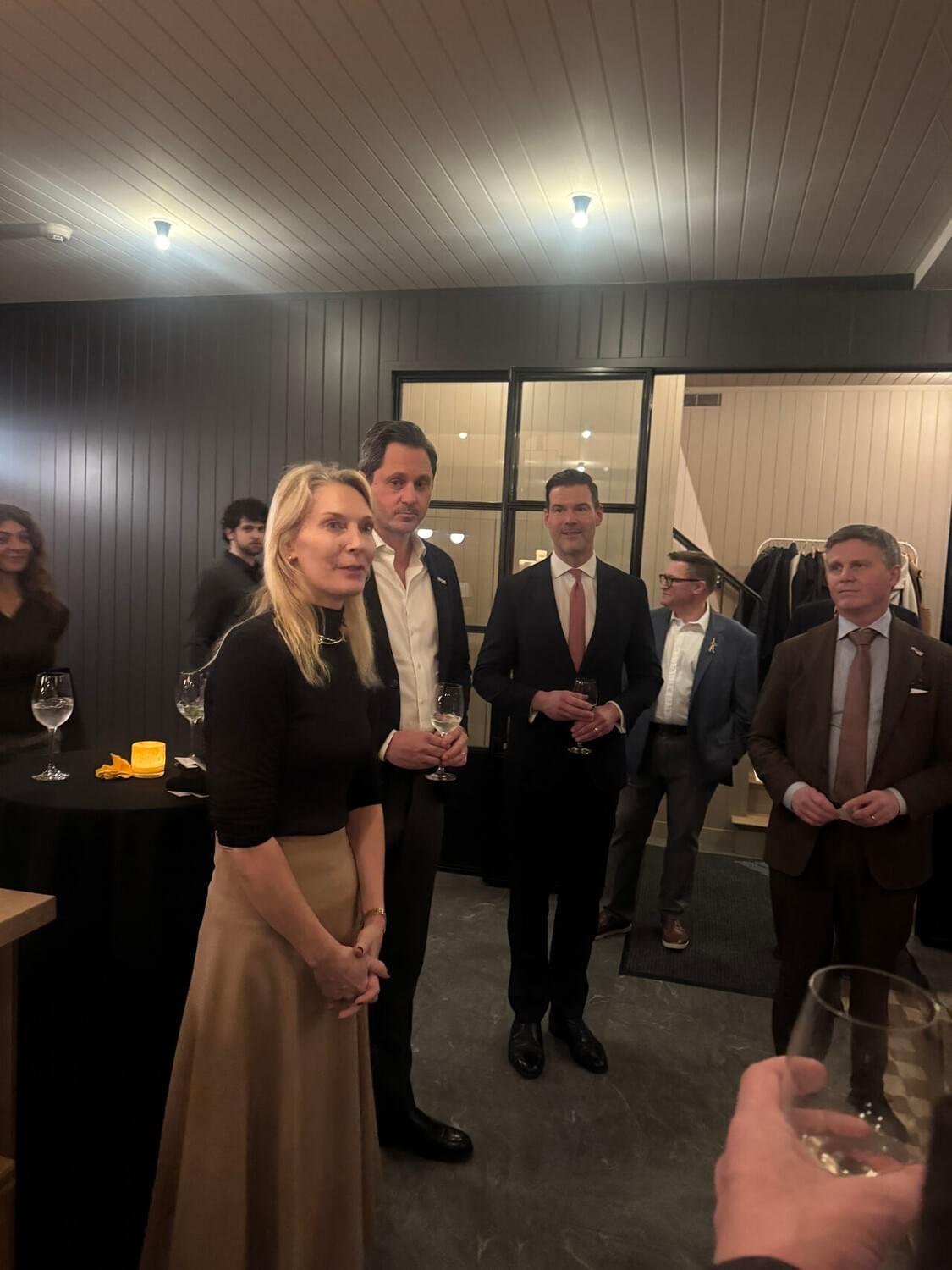
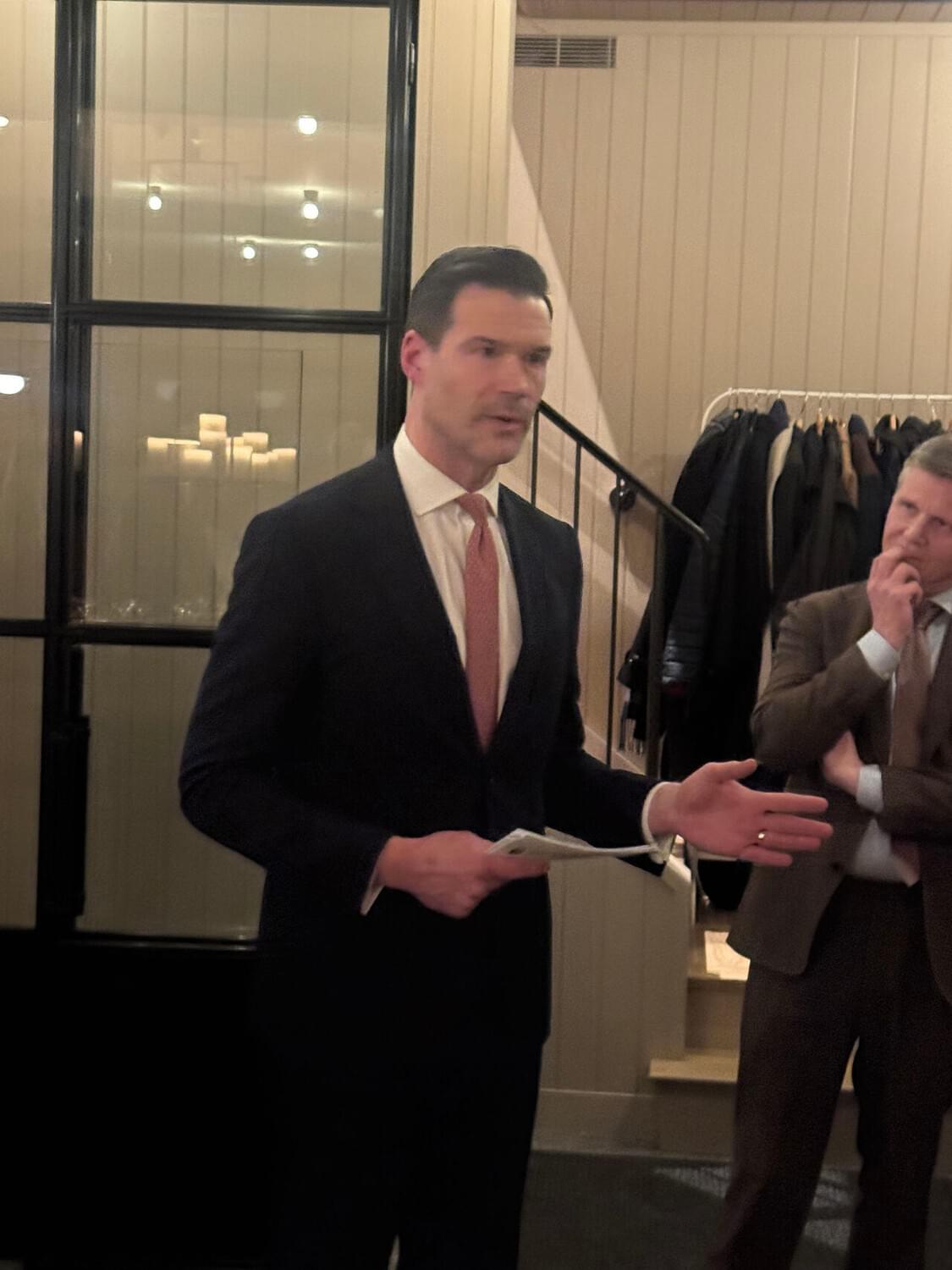
At a recent reception hosted by Ann-Kristin Lund, Honorary Consul of Sweden in Boston, I was reminded how Nordic cooperation is often best understood not through statements, but through shared experiences.
The reception concluded a day of engagements connected to a Swedish ministerial visit to Boston, led by Johan Forssell. Earlier in the day, a breakfast roundtable—co-hosted by SACC-NE, the Honorary Consulate of Sweden in Boston and New England, and the Consulate General of Sweden in New York—brought together Swedish researchers, university leaders, and company representatives with counterparts from across the Massachusetts innovation ecosystem. The discussion was open, substantive, and grounded in real work already underway between Sweden and the U.S.
That spirit carried naturally into the evening reception at the Lund–Iagnemma residence, co-hosted by Ann-Kristin Lund together with Erik Ullenhag, Consul General of Sweden in New York. In a relaxed and welcoming setting, policy, academia, business, and community intersected in a way that felt distinctly Nordic—thoughtful, informal, and built on mutual respect.
Evenings like this highlight something often understated: Nordic collaboration works because trust and shared values are assumed rather than negotiated. That shows up quietly in how conversations unfold, how partnerships form, and how institutions across borders engage with one another over time.
I’m grateful for the many conversations and connections, and especially for hosts who open their homes and make Nordic togetherness tangible. It was a special evening, and a reminder of how strong transatlantic ties are sustained—through continuity, openness, and showing up together.
THE NEF - NEW ENGLAND FINNS NEWSLETTER
NEXT ISSUE: #23, February 15, 2026.
Past Issues:
ISSUE #1: January 23, 2024, Setting Sails for a New Adventure - The NEF – The New England Finns monthly newsletter was launched on January 25, 2024, with well over 1200 subscribers on Linkedin a week later.
ISSUE #2: February 25, 2024, Sailing the Northeast Shores - 1776 on Linkedin.
ISSUE #3: March 31, 2024, Nordic Sailors Sharing Joy, Experiences, and Knowledge- 1900 on Linkedin.
ISSUE #4: April 28, 2024, Nordic Sailors and the New England Summer Season! - 2100 on Linkedin.
ISSUE #5: June 7, 2024, The Nordic Midsummer Magic - 2200 on Linkedin.
ISSUE #6: July 9, 2024, The Legendary Nordic Vacation - 2300 on Linkedin.
ISSUE #7: August 31, 2024, The Nordic Night of the Ancient Fires - 2400 on Linkedin.
ISSUE #8: September 29, 2024, Nordic Values At Work - 2450 on Linkedin.
ISSUE #9: November 3, 2024, Embracing the Northeastern Winds - 2500 on Linkedin.
ISSUE #10: December 8, 2024, Shining Bright under the Northern Lights - 2542 on Linkedin.
ISSUE #11: January 5, 2025, A Nordic Cheer for a Resilient New Year - 2584 on Linkedin.
ISSUE #12: February 2, 2025, Nordic Hockey Flair in the Garden Air - 2640 on Linkedin.
ISSUE #13: March 2, 2025, Nordic Hockey Flair in the Garden Air - 2680 on Linkedin.
ISSUE #14: April 5, 2025, Nordic Happiness in New England - 2703 on Linkedin.
ISSUE #15: May 4, 2025, Sauna, Summer, and Sisu — Stronger Ties, Brighter Skies - 2746 on Linkedin.
ISSUE #16: June 14, 2025, From Nordic Flag Raisings to Finnish-American Alliances - 2779 on Linkedin.
ISSUE #17: July 15, 2025, Nordic Summer: Rest, Reflect & Reimagine - 2793 on Linkedin.
ISSUE #18: September 15, Nordic Leadership in Action - 2820 on Linkedin
ISSUE #19: October 15, Nordic-American Two-Way Bridge - 2876 on Linkedin
ISSUE #20: November 20, Gratitude from Nordic New England - 2903 on Linkedin
ISSUE #21: December 21, Nordic Yuletide and New Year Wishes - 2928 on Linkedin